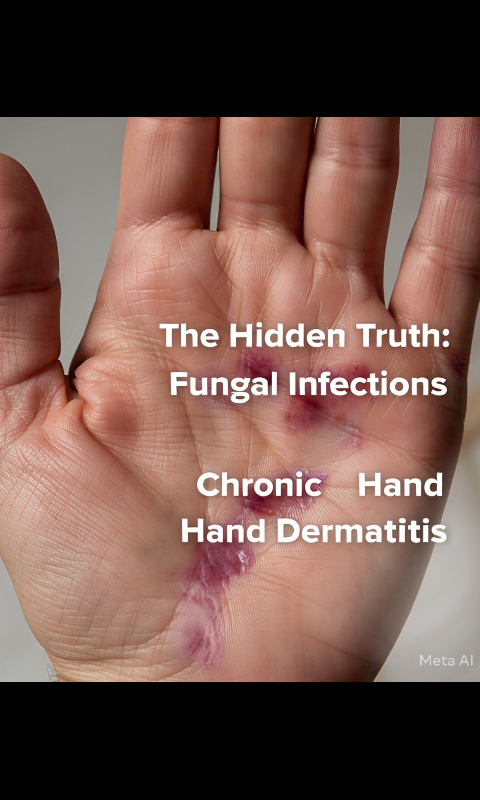
📕 The Hidden Truth: Fungal Infections and Chronic Hand Dermatitis
Subtitle: "A Comprehensive Guide to Understanding, Preventing, and Managing Skin Conditions"
✅ Author: Bagenda Nicholas
📫 Email: nicholasbagenda@gmail.com
📓 Phone: +256742367077
© 2025 by Bagenda Nicholas
All rights reserved. No part of this book may be copied, stored, or reproduced in any form without permission from the publisher.

Description
"The Hidden Truth" is your comprehensive guide to understanding two common but often misunderstood skin conditions—fungal infections and chronic hand dermatitis...
📖 Table of Contents
- Introduction – The Mystery of Chronic Hand Dermatitis
- Understanding Chronic Hand Dermatitis (CHD)
- The Overlooked Culprit: Fungal Infections
- Key Differences Between Eczema and Fungal Infections
- Misdiagnosis: The Consequences of Incorrect Treatment
- Scientific Research and Case Studies
- Real-Life Stories and Testimonials
- Diagnosis: Identifying the Real Cause
- Treatment Approaches: A Shift in Medical Perspective
- Prevention and Patient Education
- The Future of Dermatology: What Needs to Change?
- Psychological Impact of Chronic Hand Dermatitis
- Future Research and Emerging Treatments
- The Role of Diet in Skin Health
- Conclusion and Call to Action
- References and Further Reading
- Faith, Healing, and Skin Health: A Biblical Perspective
- The Importance of Patience in the Healing Process
- Community Awareness and Support Systems
- Embracing God’s Healing Touch — A Final Word on Faith and Skin Health
- A Message to the Reader — Walking in Wisdom and Wellness
📖 “The LORD bless thee, and keep thee: The LORD make his face shine upon thee, and be gracious unto thee.” — Numbers 6:24-25 (KJV)
📘 Chapter 1: The Mystery of Chronic Hand Dermatitis
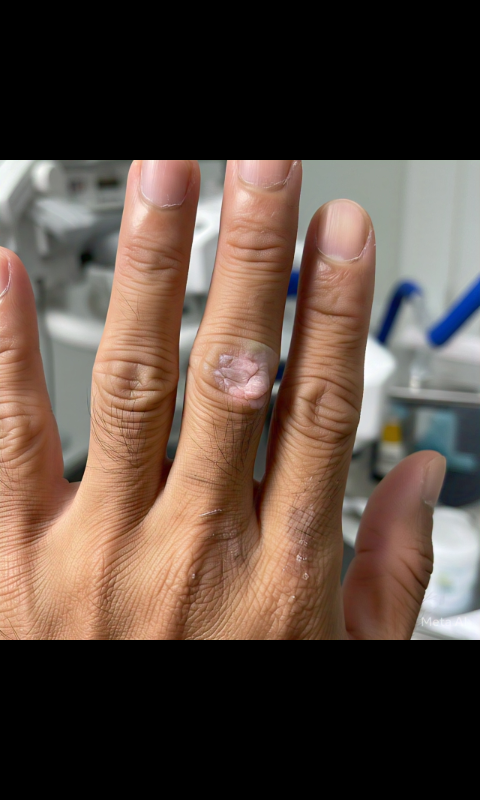
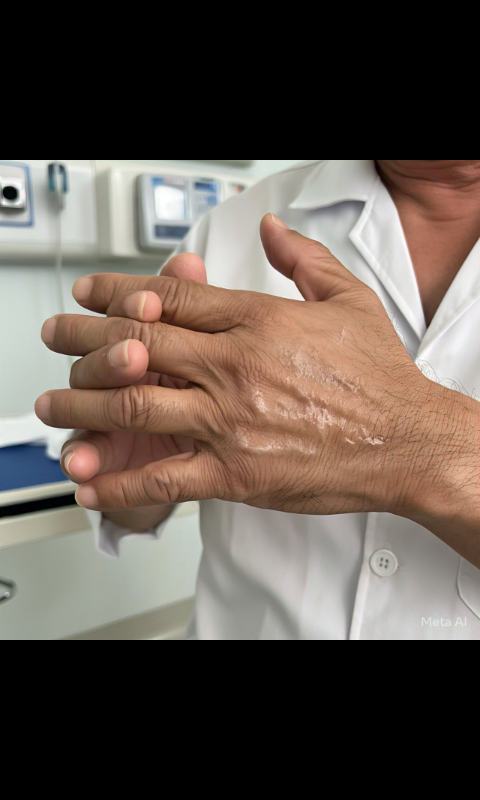
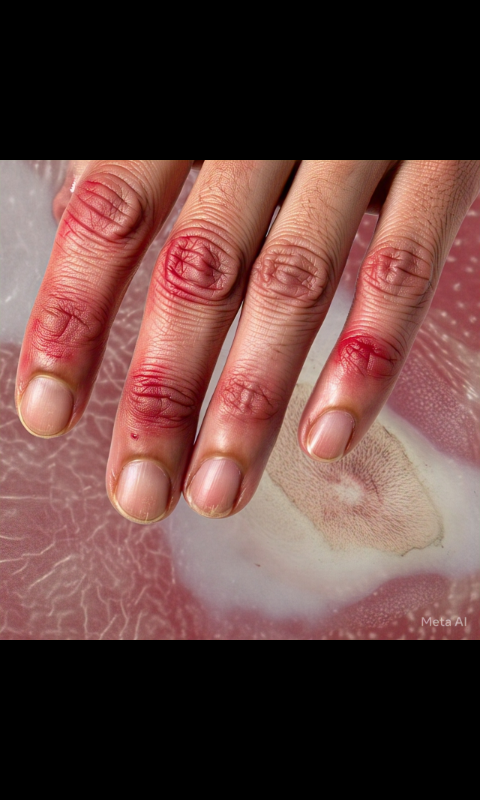
Chronic Hand Dermatitis (CHD) is one of the most persistent and misdiagnosed skin conditions worldwide. It often appears as redness, scaling, itching, and painful cracks on the hands. For many, this condition lingers for months or even years, despite various treatments. The journey of sufferers is often marked by confusion, frustration, and repeated misdiagnosis—especially when the underlying cause is not what it seems.
🔍 Why is it a Mystery?
The term “mystery” stems from the condition’s deceptive nature. CHD shares visual and symptomatic similarities with many other skin conditions such as eczema, psoriasis, or allergic reactions. As a result, patients are frequently prescribed steroid creams or moisturizers that may temporarily soothe the symptoms, but do not treat the root cause—especially if the actual issue is a fungal infection.
🧫 The Hidden Culprit
Studies have shown that in up to 38% of cases, what appears to be dermatitis is actually a fungal infection. Unfortunately, the misuse of corticosteroids (intended for eczema) can worsen fungal infections, making them harder to diagnose and treat later. This creates a cycle of mismanagement that prolongs the suffering of patients.
🏥 Clinical Perspective
Dermatologists emphasize that accurate diagnosis is key. Without proper fungal cultures, KOH tests, or skin biopsies, it's nearly impossible to distinguish CHD from other mimicking conditions. Unfortunately, these tests are often overlooked in favor of symptomatic treatment.
👥 Real-life Impact
- Lost confidence and self-esteem
- Trouble working, especially in jobs that require hand hygiene
- Dependency on topical steroids, which can cause long-term skin damage
🙏 A Call for Awareness
Understanding the true nature of CHD is the first step toward healing. Whether it is caused by allergens, irritants, or hidden fungal infections, the path to effective treatment begins with proper diagnosis and patient education.
📖 Chapter 2: Understanding Chronic Hand Dermatitis (CHD)
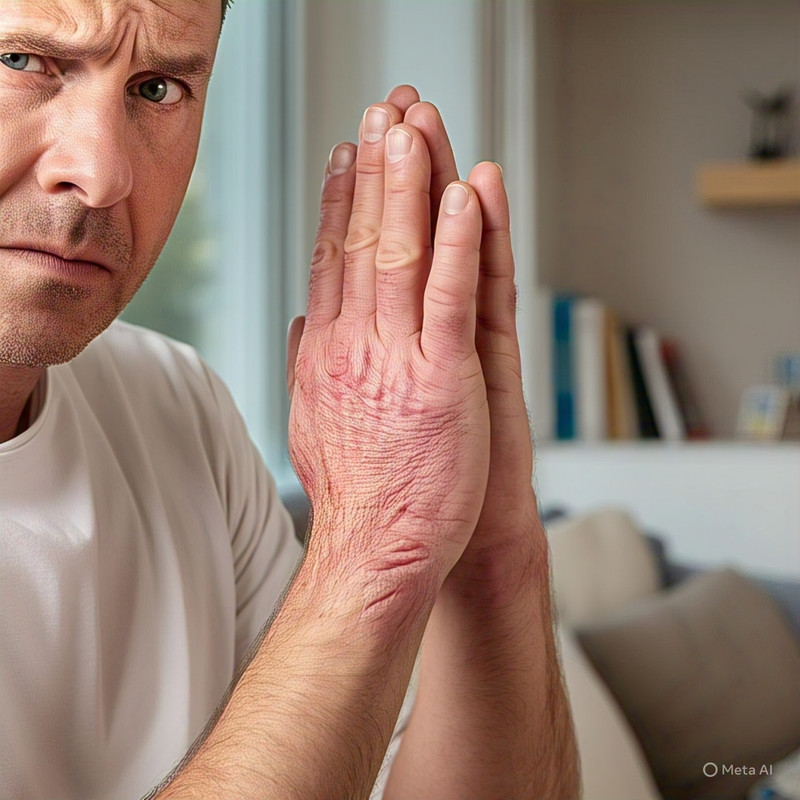
Chronic Hand Dermatitis (CHD) is a persistent skin condition that affects millions globally, yet it remains widely misunderstood. It is not a single disease but a complex combination of genetic, environmental, and occupational factors that contribute to recurring inflammation of the hands.
🧴 What is Chronic Hand Dermatitis?
CHD is an inflammation of the skin on the hands that persists for three months or more, or recurs two or more times a year. It can range from mild dryness and redness to severe cracking, blistering, and pain that interferes with daily activities.
- Irritant Contact Dermatitis – Caused by repeated exposure to soaps, sanitizers, or chemicals.
- Allergic Contact Dermatitis – Triggered by allergens like nickel, latex, or fragrances.
- Atopic Hand Dermatitis – Associated with personal or family history of atopic conditions (eczema, asthma).
- Hyperkeratotic Hand Dermatitis – Characterized by thick, scaly skin, often mistaken for psoriasis.
- Frequent Handwashing: Essential for hygiene but strips the skin of its natural oils.
- Occupational Exposure: Hairdressers, health workers, cleaners, mechanics, and farmers are at higher risk.
- Incorrect Treatment: Treating fungal infections as eczema can worsen the condition.
- Chronic Inflammation Cycle: Repeated scratching and irritation fuel ongoing inflammation.
- Emotional distress and embarrassment
- Physical pain and discomfort
- Missed workdays and reduced productivity
- Overuse of steroid creams leading to thinning of the skin
🌿 Navigating the Way Forward
Proper understanding is the first step to breaking the cycle of misdiagnosis. Identifying the exact cause, avoiding triggers, and personalized treatment plans are key to managing CHD effectively.
📖 Chapter 3: The Overlooked Culprit – Fungal Infections
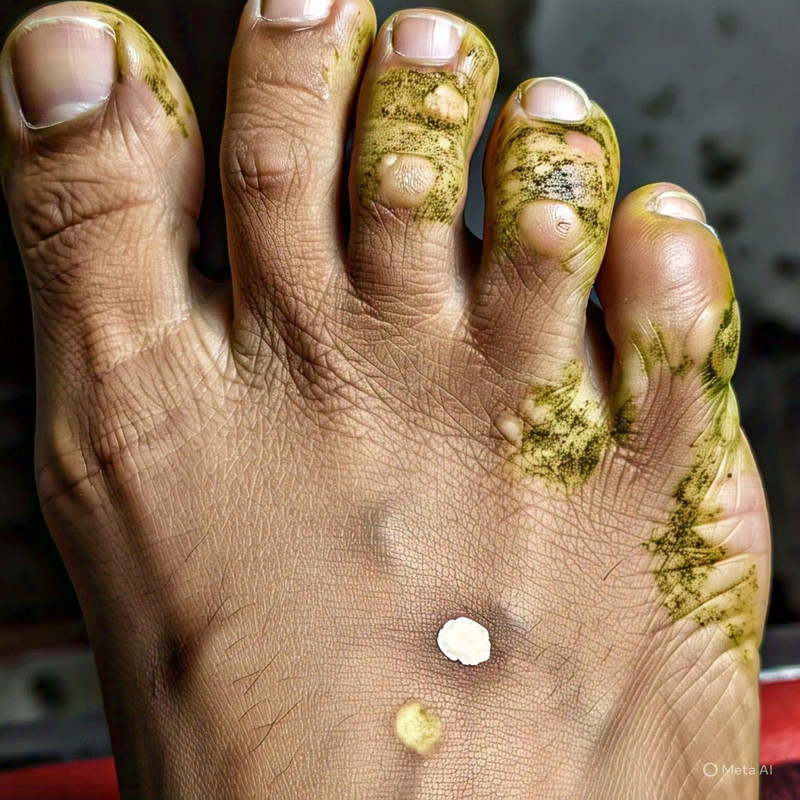
While eczema and other inflammatory conditions are often the first suspects in chronic hand issues, many cases of Chronic Hand Dermatitis (CHD) are actually caused — or worsened — by fungal infections. These hidden culprits are frequently misdiagnosed, leading to prolonged suffering and ineffective treatments.
🪳 Why Fungal Infections Are Often Missed
- Fungal infections can mimic eczema with redness, itching, and flaking.
- Standard treatments like steroid creams may suppress symptoms but worsen fungal infections.
- Many healthcare professionals fail to test for fungi, relying solely on visual diagnosis.
🧶 Types of Fungal Infections That Affect the Hands
- Tinea Manuum – Dermatophyte infection often seen on one hand (with “one hand, two feet” involvement).
- Candidiasis – Caused by yeast (e.g. Candida albicans), common in wet environments or immunocompromised people.
- Onychomycosis – Nail fungal infections that can spread to the skin.
🚨 Symptoms Suggestive of Fungal Infection
- Itching and burning sensations
- Ring-shaped or scaly patches
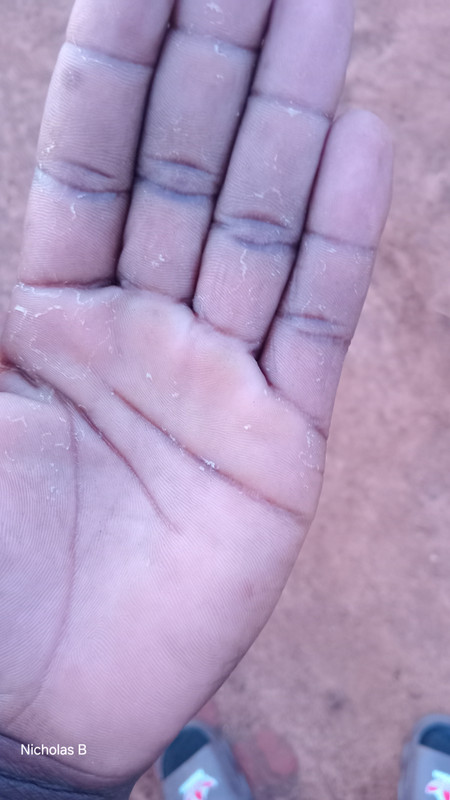
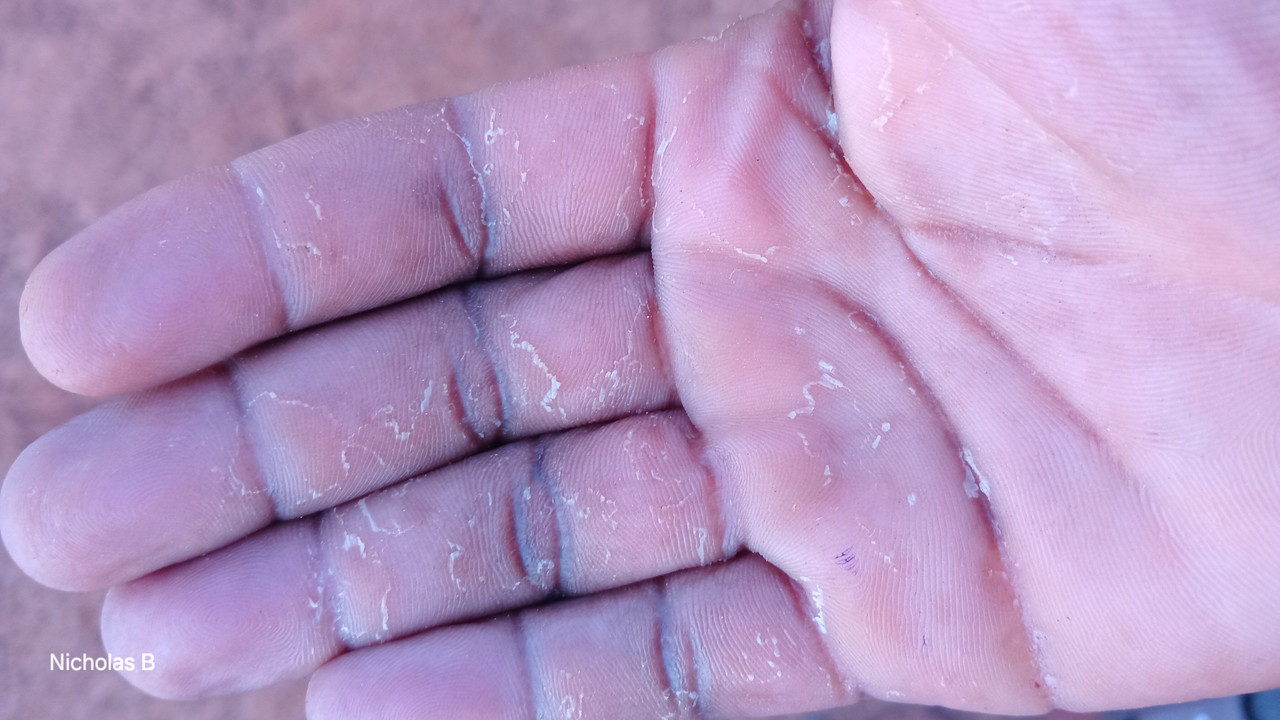
- Dry, cracked, or peeling skin unresponsive to steroids
- Fungal nail symptoms: discoloration, thickening, brittleness
🧪 Diagnosis Tips
- Skin scraping for KOH test (microscopic fungal exam)
- Fungal culture for accurate identification
- Wood’s lamp exam (for fluorescing fungi)
✅ Failure to test for fungi is one of the major reasons for CHD misdiagnosis.
💣 The Danger of Misdiagnosis
- Long-term steroid use causes skin thinning and immune suppression.
- Patients may suffer months or years due to incorrect treatment.
🧠 Did You Know?
Studies show that over 30% of chronic hand eczema cases are actually misdiagnosed fungal infections.
📖 Chapter 4: Key Differences Between Eczema and Fungal Infections
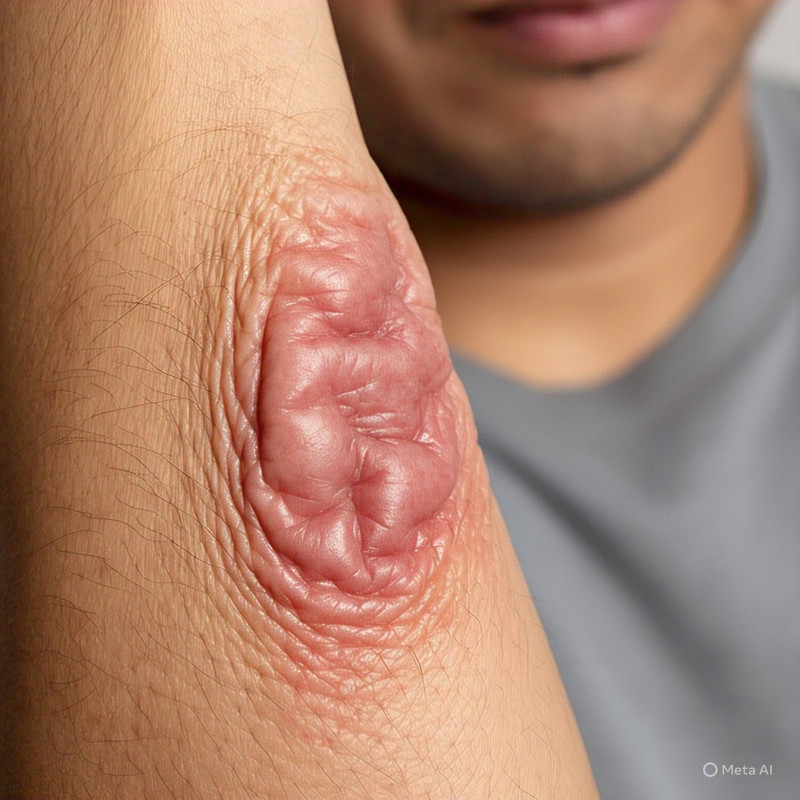
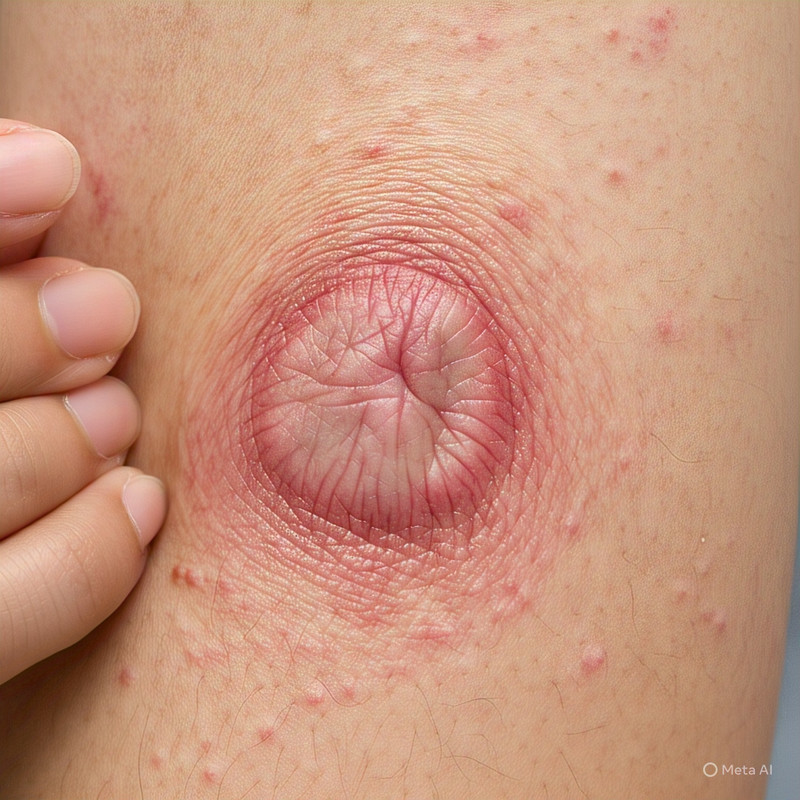
While Chronic Hand Dermatitis (CHD) can be caused by various factors, eczema and fungal infections are two of the most common culprits. Although they share several symptoms, it’s crucial to distinguish between the two for proper treatment. Misdiagnosis can lead to prolonged suffering, ineffective treatments, and unnecessary medication.
📳 Eczema vs. Fungal Infections: The Key Differences
Eczema (Atopic Dermatitis)
- Cause: Overactive immune response, allergies, or genetics.
- Symptoms:
- Red, inflamed skin
- Intense itching, especially at night
- Dry, scaly patches
- Can be localized or widespread
- Treatment:
- Topical corticosteroids
- Emollients (moisturizers)
- Antihistamines
- Avoidance of allergens and irritants
- Common Triggers: Pollen, dust mites, soaps, detergents, stress
Fungal Infections (Dermatophytes, Candida, etc.)
- Cause: Fungal organisms like ringworm, Candida, or molds.
- Symptoms:
- Ring-shaped patches with red, raised edges
- Itching and burning sensations
- Dry, cracked, or peeling skin
- Often affects one hand or one area of the body
- Treatment:
- Antifungal medications (topical or oral)
- Hygiene and skin care
- Use of antifungal powders or creams
- Common Triggers: Moist environments, weak immune system, contaminated surfaces
🌿 Comparing Symptoms Side-by-Side
| Symptom | Eczema | Fungal Infection |
|---|---|---|
| Itching | Common | Common |
| Redness | Present | Present, with raised borders |
| Dryness | Yes | Yes or moist/weeping |
| Cracks | Yes | Yes, often deep |
| Appearance | Scaly or thickened | Ring-shaped, defined borders |
| Location | Often widespread | Localized (e.g., one hand/foot) |
✅ Diagnosis: The Importance of Accurate Testing
- For Eczema: Clinical history, skin appearance, patch testing
- For Fungal Infections: KOH Test, fungal culture, Wood’s lamp exam
📌 Did You Know? Misdiagnosed fungal infections treated with steroids often worsen due to suppressed immune response.
🛏️ Treatment: What Works Best?
- Eczema: Topical steroids, moisturizers, allergen avoidance
- Fungal Infections: Antifungal meds, hygiene, dry skin care
🧴 Proactive Prevention
- Eczema: Moisturize regularly, avoid triggers, manage stress
- Fungal: Keep hands dry, avoid moisture, wash hands after contact
📖 Chapter 5: Misdiagnosis — The Consequences of Incorrect Treatment


Misdiagnosis is one of the primary reasons for prolonged suffering among individuals with chronic skin conditions like Chronic Hand Dermatitis (CHD). The challenge lies in the overlapping symptoms of various skin disorders, making it difficult for both patients and healthcare providers to immediately identify the root cause.
⚠️ Why Misdiagnosis Happens
- Similar Symptoms Between Conditions
As we've seen with eczema and fungal infections, the symptoms can overlap significantly — redness, itching, and dryness can be present in both conditions, leading to confusion. - Lack of Proper Diagnostic Tools
Many healthcare providers may diagnose based on appearance alone, without performing the necessary laboratory tests (e.g., KOH test or fungal culture). - Inconsistent Treatment Plans
When the wrong condition is diagnosed, treatment may not be effective. For example, corticosteroid treatments for fungal infections can often exacerbate the problem.
🚫 Consequences of Misdiagnosis
- Worsening of Symptoms
- Steroid Use for Fungal Infections: Steroids can suppress the immune system, allowing fungal infections to spread more rapidly.
- Delay in Proper Treatment: Misdiagnosing a fungal infection as eczema can delay the correct use of antifungal medications.
- Unnecessary Treatments
Misdiagnosis may lead to medications that are unnecessary or harmful. Steroids or antihistamines prescribed for eczema might not address the fungal infection. - Psychological Effects
Persistent skin conditions can lead to anxiety, depression, and loss of self-esteem.
✅ The Importance of Correct Diagnosis
The importance of a proper diagnosis cannot be overstated. It helps healthcare providers implement effective treatments and minimize the risk of side effects or worsening of the condition.
- Testing and History: A comprehensive patient history and relevant tests (KOH test, biopsy) are essential to pinpoint the cause.
- Referral to Specialists: In uncertain cases, dermatologists with experience in hand dermatitis and fungal infections can provide accurate diagnoses.
📚 Case Study: Peter’s Story
Background: Peter, a mechanic, suffered from skin irritation on his hands for several months. Initially, he was diagnosed with eczema and prescribed topical corticosteroids. However, his condition worsened.
The Misdiagnosis: Despite using steroids, Peter’s condition persisted and became more painful. A dermatologist later performed a KOH test and confirmed it was a severe fungal infection caused by exposure to damp environments and chemicals at work.
Correct Treatment: Peter was prescribed antifungal medication. His condition began to improve within days. He also learned protective measures, like wearing gloves and keeping his hands dry.
✔️ Preventing Misdiagnosis: A Call to Action
- Education for Healthcare Providers: Ongoing training can help professionals recognize the signs of both eczema and fungal infections.
- Patient Advocacy: Patients should feel empowered to seek second opinions if their treatment is ineffective.
- Better Testing Protocols: Encouraging dermatologists to adopt thorough diagnostic procedures, such as KOH tests and biopsies, can reduce misdiagnosis.
📖 Chapter 6: Scientific Research and Case Studies


The study of Chronic Hand Dermatitis (CHD) and fungal infections has led to groundbreaking research, showing a significant overlap between the two. The results of scientific research and patient case studies can help shed light on the complexities of these conditions and guide healthcare providers toward better treatment options.
📊 Research Findings:
- A study published in the Journal of Dermatology found that 38% of patients diagnosed with chronic hand dermatitis were later found to have fungal infections.
- In another study, 55% of patients treated with topical corticosteroids for suspected eczema experienced worsening symptoms, leading researchers to believe that improper steroid use may be contributing to the spread of fungal infections.
- The World Health Organization (WHO) has reported a significant rise in fungal infections in industrialized nations, often linked to environmental factors and excessive use of hygiene products that strip the skin of its natural oils.
🧩 Case Study Insights:
- Case Study 1: A farmer in rural Africa suffered from chronic hand dermatitis for over a year, but his symptoms worsened after prolonged exposure to wet, muddy conditions. A culture test revealed that the condition was caused by a dermatophyte fungus, not eczema.
- Case Study 2: A nurse who worked in a hospital environment was treated for eczema when she developed hand dermatitis after frequent handwashing and exposure to harsh soaps. Upon closer examination, it was discovered that the real culprit was a Candida infection caused by her hands being in constant contact with moisture and cleaning agents.
📩 The Role of Research in Advancing Treatment:
Research in the fields of dermatology and microbiology continues to evolve. New findings help refine the ways we diagnose and treat chronic hand dermatitis and fungal infections. Key areas of focus include:
- Development of new antifungal treatments: Scientists are working on more effective, faster-acting antifungal agents.
- Patient education: A growing emphasis is being placed on educating patients about skin care, environmental factors, and the importance of timely medical intervention.
- Biological and genetic factors: Researchers are exploring the genetic predispositions that make some individuals more susceptible to developing chronic skin conditions like dermatitis and fungal infections.
📖 Chapter 7: Real-Life Stories and Testimonials


Real-life experiences breathe life into clinical knowledge. In this chapter, we explore the heartfelt stories of individuals who battled chronic hand dermatitis and fungal infections. Their journeys shed light on the emotional, spiritual, and medical challenges they faced—and how they overcame them.
🧕 Sarah – The School Teacher
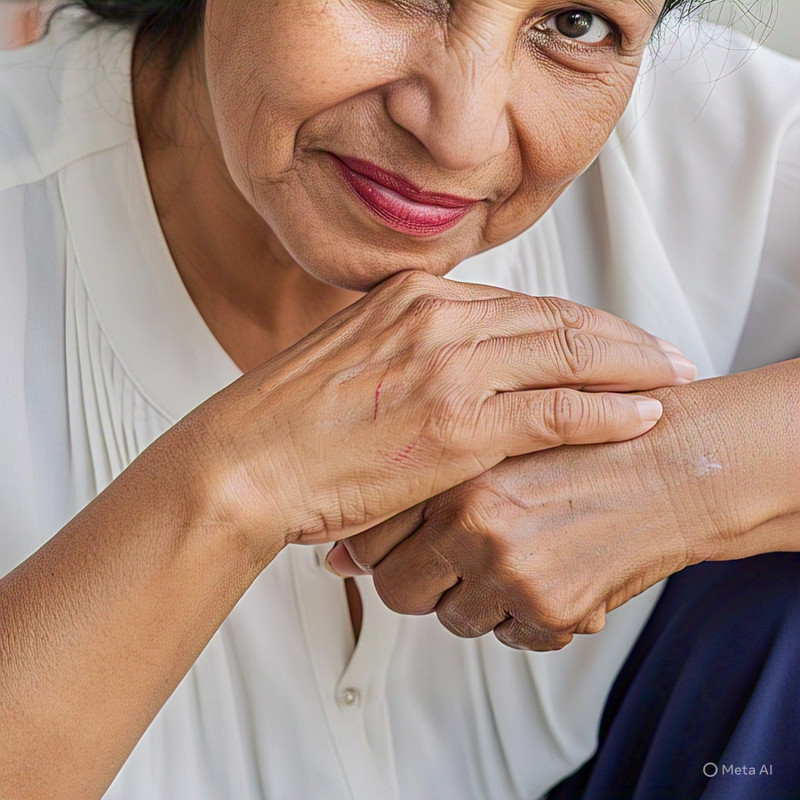
Sarah, a dedicated primary school teacher, noticed her hands becoming red, itchy, and flaky. At first, she attributed it to frequent handwashing at school. After months of ineffective steroid creams, her condition worsened.
👩⚕️ Breakthrough: A specialist diagnosed her with a fungal infection masquerading as eczema. With proper antifungal treatment and support, Sarah finally saw improvement. She now shares her story to help others.
🔧 Joseph – The Mechanic

Working daily with oil and grease, Joseph developed painful cracks and blisters on his hands. Misdiagnosed with contact dermatitis, his condition didn’t improve with corticosteroids.
🧬 Turning Point: A simple fungal test revealed the true cause. After using the correct medication, Joseph returned to work with healed hands—and a lesson to share with his peers.
🧑🏽🌾 Amina – The Farmer
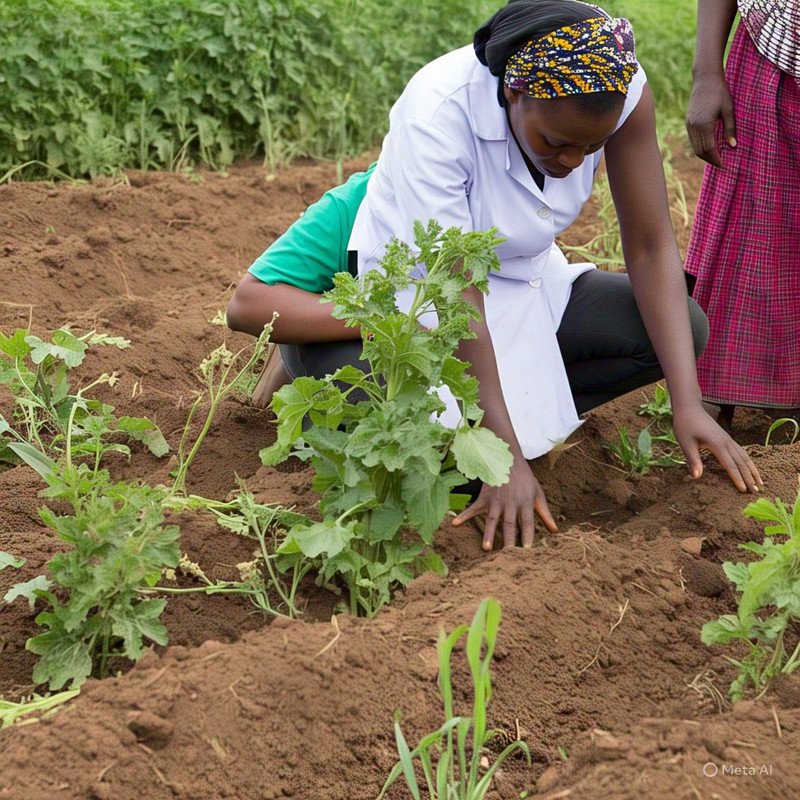
Amina’s life was rooted in the soil. Her hands bore the marks of her labor—dry, itchy, and inflamed. Locals believed it was a “curse,” adding spiritual fear to her suffering.
🙏 Restoration: A local health worker helped Amina get a proper diagnosis. As her hands healed, she praised God for restoration and now helps educate other women in her community.
“They that sow in tears shall reap in joy.” – Psalm 126:5 (KJV)
These stories remind us that healing is not just about medicine—it’s about hope, awareness, and faith. When we listen, learn, and love, we help others walk toward recovery.
📖 Chapter 8: Diagnosis — Identifying the Real Cause


Accurate diagnosis is essential in effectively treating Chronic Hand Dermatitis (CHD) and fungal infections. Misdiagnosis can lead to inappropriate treatments, which may worsen the condition. This chapter will focus on the diagnostic process, emphasizing the importance of thorough patient history, laboratory tests, and medical evaluations.
🔬 Importance of Diagnosis:
- Comprehensive Patient History
Understanding a patient’s background is crucial to identifying the cause of their skin condition. This includes asking questions about:- Occupation: Are they exposed to chemicals, moisture, or irritants that could contribute to dermatitis?
- Lifestyle: Does the patient have habits that could affect their skin, such as frequent hand washing, use of soap or sanitizers, or wearing gloves?
- Previous Treatments: What treatments have been tried, and how effective were they? Have they been prescribed corticosteroids, and if so, what was the outcome?
- Physical Examination
A thorough visual inspection of the affected area is necessary. Dermatologists will look for characteristic signs of eczema, fungal infections, and other skin conditions. The appearance of scaling, redness, cracking, or blisters may provide clues. - Diagnostic Tests
To confirm the diagnosis, dermatologists may use a variety of tests:- KOH Test: A skin sample is scraped and examined under a microscope to identify fungal infections.
- Skin Biopsy: A small skin piece may be removed and examined in the lab for confirmation.
- Patch Testing: Helps identify specific irritants contributing to allergic reactions.
📋 Steps for Accurate Diagnosis:
- Step 1: Ruling Out Eczema or Other Conditions
The first step is to eliminate eczema or similar skin conditions. - Step 2: Testing for Fungal Infections
If fungal infection is suspected, conduct KOH test or fungal culture. - Step 3: Referral to a Dermatologist
If unclear, refer to a specialist for advanced diagnostics.
🧑⚕️ Case Study: Sarah’s Diagnosis Journey
Background: Sarah, a nurse, experienced hand dermatitis for months. She used hand sanitizers frequently and washed her hands often. Initially diagnosed with eczema, she was given steroids but saw no improvement.
Diagnosis Process: After seeing a dermatologist and taking a KOH test, a fungal infection was confirmed. Moisture from hand washing and sanitizer likely triggered the issue.
Treatment: She was prescribed antifungal cream and told to avoid harsh sanitizers. Her symptoms improved in a few weeks.
📖 Chapter 9: Treatment Approaches – A Shift in Medical Perspective


Once the correct diagnosis is made, an appropriate treatment plan should be developed. In this chapter, we will discuss the treatment options available for Chronic Hand Dermatitis (CHD) and fungal infections, with a focus on both medical and natural approaches.
💉 Medical Treatment for Chronic Hand Dermatitis:
- Topical Corticosteroids: Prescribed for eczema and inflammation. Use cautiously to avoid skin thinning and aggravating fungal infections.
- Topical Antifungals: Creams like clotrimazole or ketoconazole help eliminate fungal infections.
- Oral Medications: Drugs like fluconazole or itraconazole are used for stubborn fungal cases.
- Immune Modulators: Medications like tacrolimus or pimecrolimus reduce inflammation in severe CHD.
🌿 Natural Remedies for Fungal Infections and Hand Dermatitis:
- Coconut Oil: Moisturizes and reduces fungal growth.
- Aloe Vera: Soothes and calms inflamed skin.
- Tea Tree Oil: Naturally antifungal and antiseptic.
- Apple Cider Vinegar: Helps restore skin pH to combat fungi.
Traditional CHD treatment focused on steroids and moisturizers. However, these fail when the real cause is a fungal infection mistaken for eczema.
🔄 Shifting from Steroids to Antifungals
Fungal infections often mimic eczema. Doctors now reassess the cause when standard treatments fail. Many patients improve when antifungals are introduced.
Key Insight: Many patients improve significantly when antifungal treatment is started — something that’s often overlooked in early diagnosis.
💊 Revised Treatment Protocol
- Use of antifungal creams or oral meds when fungi are suspected
- Reducing overuse of topical steroids
- Moisturizers to strengthen the skin barrier
👨⚕️ Medical Recommendations
- Dermatologists recommend fungal culture testing in persistent CHD
- Some clinics use microscopy to detect fungi early
- Awareness campaigns help GPs recognize fungal eczema
📖 Chapter 10: Prevention and Patient Education

Prevention is key in managing Chronic Hand Dermatitis (CHD) and fungal infections. Educating patients on proper skin care routines, hygiene practices, and environmental changes can significantly reduce the risk of recurrence.
🧼 Hand Hygiene and Skin Care:
- Moisturize Regularly: Use thick, fragrance-free moisturizers. Apply immediately after washing hands to lock in moisture.
- Avoid Harsh Soaps and Sanitizers: Harsh soaps strip natural oils. Use gentle cleansers.
- Wear Protective Gloves: Ideal for chemical- or moisture-prone jobs.
- Avoid Scratching: Scratching worsens irritation and invites infection.
💧 Environmental Modifications:
- Control Moisture: Keep hands dry. Avoid prolonged exposure to water or chemicals.
- Workplace Modifications: Use protective gear in high-risk jobs.
- Printed & Online Resources: Share guides, videos, or pamphlets for education.
- Support Groups: Promote community support among patients.
“My people are destroyed for lack of knowledge...” – Hosea 4:6 (KJV)
Let us seek wisdom in caring for both body and soul.
📖 Chapter 11: The Future of Dermatology — What Needs to Change?

Despite advances in dermatological science, chronic hand dermatitis (CHD) and fungal infections remain widely misdiagnosed and mistreated. This chapter addresses how the medical field can grow to better serve patients suffering from skin conditions — especially those with overlapping symptoms.
🔍 1. Rethinking Diagnosis
- Improved Diagnostic Tools: There’s a need for more accessible and accurate testing methods like skin biopsies, fungal cultures, and dermoscopy in primary care settings.
- Better Differentiation: More training for healthcare providers in distinguishing between CHD and fungal infections, which often appear similar.
💊 2. Broadening Treatment Perspectives
- Avoid Overuse of Steroids: Topical steroids are often prescribed without clear diagnosis, worsening undetected fungal infections.
- Promote Holistic Care: Encourage both conventional and natural methods of healing, especially when dealing with long-term conditions.
📘 3. Medical Education & Awareness
- Update Curriculums: Many medical schools and dermatology programs need to include modern findings on fungal mimicry and misdiagnosis.
- Continuing Education for Practitioners: Regular refresher courses and access to recent research can help professionals stay informed.
🌍 4. Patient-Centered Research
- Inclusion of Real-Life Experiences: Encourage studies that consider personal stories and daily struggles of patients.
- Explore Underrepresented Regions: In many rural and developing areas, skin conditions go unnoticed — this needs urgent attention in global dermatology research.
📖 Spiritual Insight:
"Behold, I will bring it health and cure, and I will cure them, and will reveal unto them the abundance of peace and truth." – Jeremiah 33:6 (KJV)
True healing extends beyond the physical. It encompasses peace, understanding, and truth — something science must walk hand in hand with.
📖 Chapter 12: Psychological Impact of Chronic Hand Dermatitis

Chronic hand dermatitis (CHD) and fungal infections don’t just affect the skin — they can have a profound psychological impact on individuals. This chapter explores the emotional and mental effects of these conditions and how to manage them effectively.
🧠 Psychological Effects of Skin Conditions:
- Anxiety and Depression:
Persistent skin issues can cause feelings of anxiety, depression, and self-consciousness. The visible nature of these conditions may lead to social withdrawal, and individuals may experience a diminished quality of life. - Body Image Issues:
Chronic skin conditions often lead to body image concerns, especially for people whose hands are affected. The social stigma around visible skin problems can lead to embarrassment, reduced self-esteem, and body dysmorphia. - Stress and Exacerbation of Symptoms:
Psychological stress can exacerbate skin conditions, creating a vicious cycle. Stress hormones like cortisol can increase inflammation in the body, worsening conditions like dermatitis or fungal infections.
🧘♂️ Coping Strategies:
- Cognitive Behavioral Therapy (CBT):
CBT has been shown to be effective in helping individuals with chronic skin conditions manage stress, anxiety, and depression. CBT helps patients reframe negative thought patterns and develop coping mechanisms. - Mindfulness and Relaxation Techniques:
Practices like yoga, meditation, and deep-breathing exercises can help alleviate stress and improve mental well-being, thus reducing the negative impact on skin health. - Support Groups:
Connecting with others who understand the challenges of living with chronic hand dermatitis can be therapeutic. Support groups provide a safe space for individuals to share experiences, exchange advice, and offer emotional support.
📖 Chapter 13: Future Research and Emerging Treatments

The field of dermatology is constantly evolving, and with the rise of new technologies and treatment methods, there is hope for more effective management of Chronic Hand Dermatitis (CHD) and fungal infections. This chapter highlights the future directions in skin health research.
🧬 New Technologies in Skin Care:
- Gene Therapy:
Advances in gene therapy may one day allow for the modification of the genes responsible for skin conditions like eczema and dermatitis, leading to more permanent solutions. - Biologics:
Biologic therapies are currently used for conditions like psoriasis, and they are being explored for use in CHD and fungal infections. These therapies target specific parts of the immune system to reduce inflammation and infection. - Stem Cell Research:
Stem cell therapies could offer exciting new options for regenerating skin and treating chronic conditions. Research in this area may lead to breakthroughs in wound healing and skin repair. - Nanotechnology:
Nanotechnology is being investigated for its potential in enhancing the delivery of topical treatments. Nanoparticles could improve the effectiveness of medications, allowing for deeper skin penetration and more effective treatment of fungal infections and dermatitis.
🧪 Personalized Medicine:
With the advancement of genetic research, dermatologists will soon be able to offer personalized treatment plans tailored to a patient’s specific genetic makeup, lifestyle, and environmental factors. This approach will likely improve the effectiveness of treatments and reduce the risk of adverse reactions.
📖 Chapter 14: The Role of Diet in Skin Health
Our diet plays a significant role in the overall health of our skin. This chapter delves into how nutritional factors can influence Chronic Hand Dermatitis (CHD) and fungal infections, and how dietary adjustments can aid in skin recovery.
🥗 Nutrition for Healthy Skin:
- Anti-inflammatory Foods:
Inflammation is a key factor in conditions like eczema and dermatitis. Consuming anti-inflammatory foods, such as:
- Fatty Fish (rich in omega-3 fatty acids, e.g., salmon, mackerel)
- Nuts and Seeds (almonds, walnuts, flaxseeds)
- Fruits and Vegetables (rich in antioxidants like berries, spinach, and kale)
These foods can help reduce the overall inflammation in the body, including inflammation in the skin.
- Probiotics:
Probiotics help promote a healthy gut microbiome, which can positively impact skin conditions. Foods like:
- Yogurt
- Kefir
- Kimchi
Have been shown to improve skin health, as they help balance the immune system and reduce inflammation.
- Vitamin D:
Vitamin D is crucial for immune function and skin health. A deficiency in vitamin D has been linked to conditions such as eczema and psoriasis. Sunlight exposure, fortified foods, and supplements can help maintain healthy levels.
- Hydration:
Drinking plenty of water helps keep the skin hydrated and promotes the healing process, particularly for those dealing with dry, cracked, or irritated skin.
🚫 Foods to Avoid:
- Dairy Products: Some individuals with eczema find that dairy can worsen symptoms, possibly due to an allergic reaction or sensitivity.
- Processed Foods: Foods high in refined sugars and trans fats can promote inflammation and worsen skin conditions.
📖 Chapter 15: Conclusion and Call to Action

Understanding the complexities of Chronic Hand Dermatitis (CHD) and fungal infections is the first step toward more effective treatment and prevention. By raising awareness, improving diagnostic methods, and implementing better treatment plans, we can reduce the burden of these conditions on individuals and healthcare systems worldwide.
🌟 Key Takeaways:
- Correct Diagnosis is Crucial: Misdiagnosis can worsen symptoms, so it is essential to distinguish between eczema, fungal infections, and other skin conditions.
- Patient Education is Key: Educating patients on proper skin care, hygiene, and environmental factors can help prevent recurrent episodes.
- Future of Dermatology: Continued research and innovation will lead to more accurate diagnostics and more effective, personalized treatments for skin conditions.
“Let us not love in word, neither in tongue; but in deed and in truth.” — 1 John 3:18 (KJV)
After exploring the physical, emotional, and spiritual dimensions of fungal infections and chronic hand dermatitis, one truth stands out clearly:
🌟 You are not alone. And healing is possible—with the right knowledge, support, and faith.
💡 Key Takeaways
- ✅ Misdiagnosis is common – Many chronic skin conditions are often mistaken for eczema or other issues when they may actually be fungal.
- ✅ Proper diagnosis changes everything – Understanding the root cause leads to better, faster, and long-lasting healing.
- ✅ Self-care is crucial – Consistent hygiene, moisturizing, and protection go a long way.
- ✅ Spiritual support matters – Trusting God through illness brings peace, strength, and perspective.
📢 Your Next Steps
- Apply what you've learned. Take care of your skin, avoid irritants, and don’t ignore symptoms.
- Educate others. Share this book with someone who might be misdiagnosed or struggling.
- Seek spiritual strength. Read the Bible, pray, and stay connected to a faith community.
- Stay hopeful. Healing is a journey. Celebrate small victories and remain faithful.
🙏 Final Encouragement
“Beloved, I wish above all things that thou mayest prosper and be in health, even as thy soul prospereth.” — 3 John 1:2 (KJV)
God desires wholeness for you—spirit, soul, and body. Walk in faith, take care of yourself, and trust Him for healing in every area of life.
📘 Chapter 16: References and Further Reading
This chapter provides a list of references and further reading to enhance your understanding of Chronic Hand Dermatitis (CHD), fungal infections, and the broader field of dermatology. These sources include academic journals, books, and online resources that offer in-depth guidance on causes, diagnosis, treatment, and management of skin conditions.
📚 Academic Articles and Journals:
- "Chronic Hand Dermatitis: An Update on the Epidemiology, Diagnosis, and Management"
Journal of Clinical Dermatology, 2021 – Journal Link - "Fungal Infections in Dermatology: A Comprehensive Review"
American Journal of Dermatology, 2020 – Journal Link - "The Role of Fungal Infections in Chronic Skin Disorders"
Dermatology Reports, 2019 – Journal Link - "Advancements in Dermatologic Therapy for Chronic Hand Dermatitis"
British Journal of Dermatology, 2022 – Journal Link
📕 Books:
- Dermatology: A Practical Guide for Primary Care – James G. H. C. Wilson
- Fungal Skin Infections: Diagnosis and Treatment – Michael J. Walling
- Chronic Skin Conditions: Diagnosis and Management – Fiona Roberts & Richard L. G. Low
- Fungal Infections: Diagnosis and Management – Malcolm Richardson
- Clinical Dermatology – Thomas P. Habif
- Skin Disease: Diagnosis and Treatment – James, Berger, Elston
🌐 Online Resources:
- American Academy of Dermatology
- National Eczema Association
- Mayo Clinic – Dermatology
- WebMD – Eczema
- DermNet NZ
🔬 Scientific Databases:
🤝 Support Groups and Forums:
“Wise men lay up knowledge…” — Proverbs 10:14 (KJV)
📘 Spiritual and Biblical Study Aids:
- The Holy Bible (King James Version)
- BibleGateway.com – Online Bible tools and study resources
- Ellen G. White Writings – Health & spiritual insights
“Study to shew thyself approved unto God, a workman that needeth not to be ashamed, rightly dividing the word of truth.” — 2 Timothy 2:15 (KJV)
These references provide valuable insights into the diagnosis, treatment, and management of Chronic Hand Dermatitis (CHD) and fungal infections. For deeper study, or to stay up-to-date with advancements in dermatology, these resources will be instrumental. Always consult healthcare professionals for personalized care.
🕊️ Chapter 17: Faith, Healing, and Skin Health: A Biblical Perspective
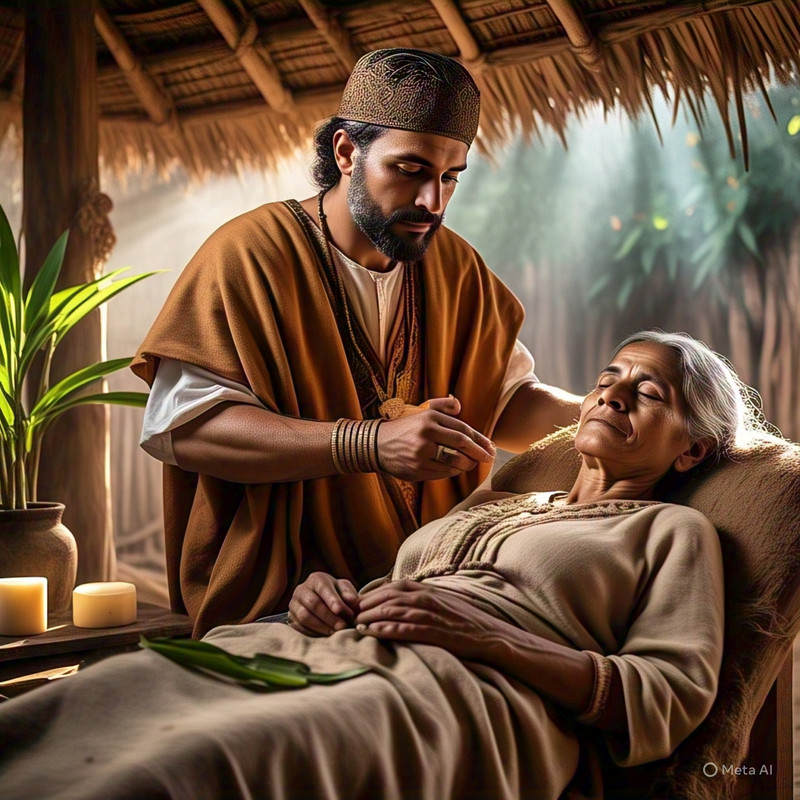
✅ Introduction: God’s Concern for Our Whole Being
God is not only concerned about our spiritual life but also our physical and emotional well-being. The Bible offers timeless guidance on health, healing, and faith. In this chapter, we explore how faith intersects with skin conditions like fungal infections and chronic dermatitis, and how Scripture supports the journey to healing.
📖 3 John 1:2 – “Beloved, I pray that you may prosper in all things and be in health, just as your soul prospers.”
🧴 1. Skin Conditions in the Bible
Skin diseases were treated seriously in biblical times. Leviticus 13–14 discusses how priests examined skin diseases, isolated the infected, and oversaw healing.
📖 Leviticus 13:1-3 – “The Lord said to Moses and Aaron, ‘When anyone has a swelling or a rash or a shiny spot on their skin that may be a defiling skin disease... the priest is to examine them.’”
🧘 Chapter 18: The Importance of Patience in the Healing Process

🧠 Introduction: The Process of Healing Takes Time
Healing—physical or emotional—is a journey, not a quick fix. It requires patience and trust in God’s timing. Chronic conditions like fungal infections and dermatitis can feel discouraging, but the Bible offers encouragement for enduring the wait.
📖 Romans 12:12 — “Be joyful in hope, patient in affliction, faithful in prayer.”
⏳ 1. The Role of Patience in Physical Healing
In a world that craves instant results, we often overlook that healing—especially from chronic conditions—can take time. God’s timeline isn’t ours, and patience is how we honor the process.
📖 James 5:7 — “Be patient then, brothers and sisters... See how the farmer waits for the land to yield its crop.”
📖 2. Lessons from Scripture on Patience
- Job suffered greatly but never gave up on God.
- Joseph waited years after betrayal before being promoted.
- David waited patiently to become king despite being anointed early on.
📖 Romans 5:3-4 — “Suffering produces perseverance; perseverance, character; and character, hope.”
🕊️ 3. Trusting God’s Timing
We may not understand God’s delay, but His timing renews strength.
📖 Isaiah 40:31 — “Those who hope in the Lord will renew their strength... they will walk and not be faint.”
🌿 4. Healing is a Process, Not a Destination
True healing includes physical, emotional, and spiritual growth. Patience refines us and strengthens our walk with God.
💪 5. Encouragement for the Journey
If healing feels slow, remember that patience is part of your spiritual training. God sees your pain, and He is with you in every step.
🛐 Reflection and Prayer
Reflect: Where do you need more patience—in healing, emotions, or spiritual life?
Prayer: Heavenly Father, thank You for being with me. I trust in Your timing. Help me grow in patience and faith. In Jesus’ name, Amen.
📖 Chapter 19: Community Awareness and Support Systems

🤝 “Bear ye one another’s burdens, and so fulfil the law of Christ.” — Galatians 6:2 (KJV)
💬 The Power of Community in Healing
Chronic hand dermatitis and fungal infections are not just physical conditions—they affect a person's emotional, social, and even spiritual well-being. That’s why community support is crucial in managing and overcoming such health challenges.
🔹 Why Community Matters
- Encouragement: People need someone to walk with them through the journey of healing.
- Education: Communities help spread knowledge about prevention and treatment.
- Accountability: Support groups motivate individuals to stick to their treatment and lifestyle changes.
🛡️ Support Systems That Help
- Local churches and faith groups: Offer prayer, spiritual guidance, and encouragement.
- Health centers and outreach programs: Provide medical education and screenings.
- Family and friends: Can assist with daily care routines and emotional support.
🧩 Breaking the Stigma
Many people suffer silently due to misconceptions or embarrassment about skin conditions. Community awareness can help break the stigma by:
- Hosting health talks at schools, churches, or community centers
- Sharing real-life recovery stories
- Involving local leaders and influencers
🕊️ Biblical Reflection
“Wherefore comfort yourselves together, and edify one another, even as also ye do.” — 1 Thessalonians 5:11 (KJV)
As Christians, we are called to love, support, and uplift one another. Our healing can be found not only in medicine but also in compassionate community care.
📖 Chapter 20: Embracing God’s Healing Touch — A Final Word on Faith and Skin Health

✅ Introduction: God’s Healing Touch
As we conclude this journey through the struggles of fungal infections and chronic hand dermatitis, it is vital to recognize that ultimate healing comes from God. While medicine and medical treatments are essential, the touch of God’s hand is beyond any earthly remedy.
“Praise the Lord, my soul, and forget not all his benefits—who forgives all your sins and heals all your diseases.” — Psalm 103:2-3
🕊️ 1. The Role of Faith in Healing
Faith is central to healing. It is our trust in God that allows Him to work in and through us. It’s not just about believing that God can heal; it’s about trusting that He will heal us in His way and in His timing.
“‘If you can’?” said Jesus. “Everything is possible for one who believes.” — Mark 9:23
🧬 2. Healing Through Medicine and God’s Sovereignty
God uses medical professionals, treatments, and science as instruments of healing. When we seek medical help, it can be an act of trust in God’s provision.
“Trust in the Lord with all your heart and lean not on your own understanding... This will bring health to your body and nourishment to your bones.” — Proverbs 3:5-8
🛡️ 3. God’s Healing Comes in Different Forms
Healing is not always instant. Sometimes, it is slow and steady. Chronic conditions like hand dermatitis require patience, prayer, and perseverance.
“I have seen their ways, but I will heal them... And I will heal them.” — Isaiah 57:18-19
❤️ 4. Spiritual Health: A Vital Part of Healing
God wants to heal the heart and spirit, not just the body. Through prayer, worship, and closeness to God, we find peace and strength.
“Dear friend, I pray that you may enjoy good health and that all may go well with you, even as your soul is getting along well.” — 3 John 1:2
🌟 5. A Final Prayer for Healing
Let’s pray for complete healing—physical, emotional, and spiritual. Surrender all to God and walk forward in His peace.
Prayer:
Beloved, I wish above all things that thou mayest prosper and be in health, even as thy soul prospereth. — 3 John 1:2 (KJV)
As we conclude this journey, it becomes clear that skin health is not merely about creams and cures—it’s about understanding, patience, and faith. Chronic conditions may cause distress, but they are not greater than God’s power to heal.
God sees your pain. He walks with you through every diagnosis, every flare-up, and every moment of uncertainty. Let your healing draw you closer to Him. Healing may not be immediate, but with God, it is always purposeful.
🙏 May you walk forward with wisdom, strength, and divine healing — knowing that God is your ultimate physician.
📖 Chapter 21: A Message to the Reader — Walking in Wisdom and Wellness

📖 “For I will restore health unto thee, and I will heal thee of thy wounds, saith the Lord.” — Jeremiah 30:17 (KJV)
💬 Walking in Wisdom
The journey toward health and healing, whether physical or spiritual, requires wisdom and understanding. As we face health challenges like chronic hand dermatitis and fungal infections, it's important to remember that healing is not just about treating the symptoms, but also about addressing the root causes of our ailments.
🔑 Key Principles for Walking in Wellness
- Faith in God: Healing begins with trusting in the Lord's ability to restore us, body and soul.
- Knowledge and Education: Understanding our condition empowers us to make informed decisions about treatment and lifestyle changes.
- Lifestyle and Self-care: Prioritize healthy habits like nutrition, regular hand care, and stress management to support your skin's healing.
- Community Support: Surround yourself with people who encourage you in your health journey, spiritually and physically.
- Patience and Persistence: Healing takes time. Be patient with yourself and trust the process.
While spiritual health and wisdom are essential, it is also crucial to seek medical advice from professionals. Consult a healthcare provider for accurate diagnosis and appropriate treatment options. Together, faith and medicine can work hand in hand to restore you to full health.
✨ Spiritual Health and Healing
Healing goes beyond the body—it touches the soul. Regular Bible study, prayer, and fellowship strengthen our spiritual health, giving us the resilience to face life's challenges. Just as Jesus healed the sick during His ministry, He continues to offer healing to those who trust in Him.
🕊️ A Final Thought for You
“And the peace of God, which passeth all understanding, shall keep your hearts and minds through Christ Jesus.” — Philippians 4:7 (KJV)
As you continue your healing journey, remember to walk in peace, knowing that God has already provided a way for you to be healed, both physically and spiritually. Keep trusting, keep praying, and keep taking care of yourself, for He is with you every step of the way.
📝 Epilogue: The Journey Continues
As we come to the end of this book, know this: your journey to healing is just beginning.
You have read through chapters that exposed the hidden truths, uncovered medical insights, and highlighted spiritual truths that many overlook. If your hands have bled, if your skin has burned, if you have wept in silence — you are not alone. And you are not forgotten.
“I have seen his ways, and will heal him: I will lead him also, and restore comforts unto him and to his mourners.” — Isaiah 57:18 (KJV)
This book was never just about skin. It was about the pain we carry beneath the surface, the questions we ask in the dark, and the light that still breaks through.
You are more than a diagnosis.
You are more than the scars.
You are a child of God, made whole in Him.
So go forward — not just with creams and prescriptions, but with faith, hope, and wisdom. Let your healing be a testimony. Let your life reflect the strength you've found in the midst of suffering.
And whenever your hands tremble again, remember:
The Healer walks with you.